
Is the Tunisian Desert Safe? Honest Guide
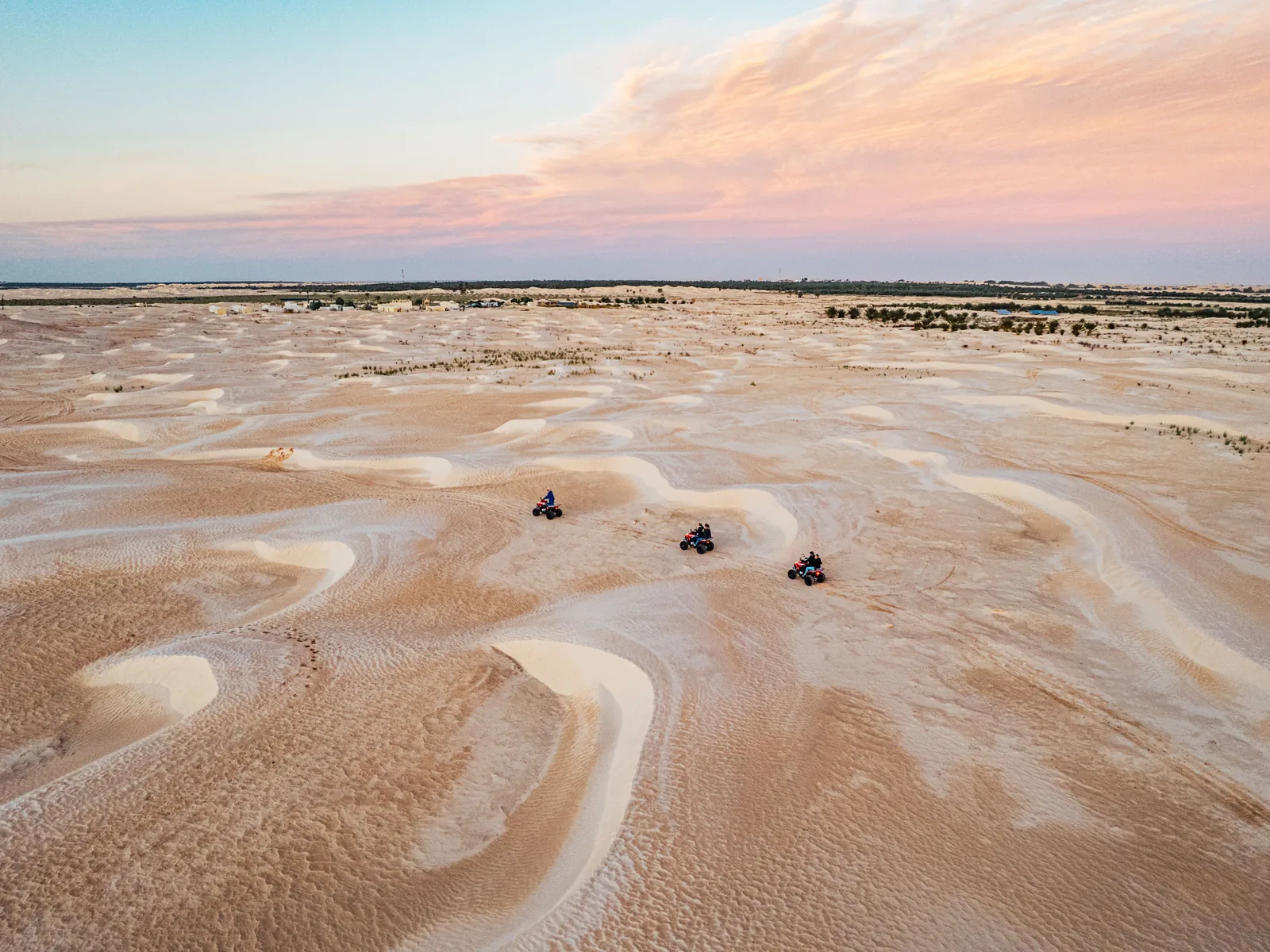
The short answer is: yes, the tourist desert areas are safe and well-traveled. But the Sahara demands respect. Here is a practical, honest look at what to know before you go — no sugarcoating, no fearmongering.
Safety Overview
The main tourist desert areas — Douz, Tozeur, Ksar Ghilane, Matmata, Tataouine and Djerba — are well-traveled, well-policed and considered safe for tourists. Thousands of visitors do desert tours every year without incident. The Tunisian authorities maintain a visible security presence in the south, and licensed tour operators follow established routes.
Which Areas Are Safe?
- All major tourist corridors: Djerba → Matmata → Tataouine → Ksar Ghilane, and Tozeur → Chott el Jerid → Douz.
- The organized tour routes: Star Wars sites, mountain oases (Tamerza, Chebika, Mides), desert camps and bivouacs.
- Towns and cities: Douz, Tozeur, Djerba, Tataouine and their surroundings.
Avoid areas near the Libyan and Algerian borders unless on an established tour route — these are military zones with restricted access.
The Real Risks
The biggest dangers in the Sahara are not security but nature:
- Heat: Dehydration and heatstroke are genuine risks in summer. Drink constantly, wear a hat, and never wander from your group.
- Getting lost: The desert looks the same in every direction. Never walk into the dunes alone without a guide.
- Soft ground: The salt flats of Chott el Jerid and parts of the erg hide soft spots that can trap vehicles. Let local drivers handle the 4x4.
- Cold nights: Desert nights are surprisingly cold. Pack warm layers.
Smart Travel Tips
- Use a licensed tour operator — they know the routes, the terrain and the weather.
- Always travel with a guide in remote areas.
- Carry plenty of water — at least 2 liters per person per half day.
- Let someone know your itinerary — tell your hotel where you are going.
- Carry cash — no ATMs in the dunes.
- Respect local customs — ask before photographing people.
Health & Heat
Bring high-SPF sunscreen, a hat, sunglasses and lip balm. Carry any personal medication — pharmacies are far from the camps. In summer, avoid outdoor activity between 11 AM and 4 PM. If you feel dizzy, drink water and find shade immediately. For more preparation advice, read what to pack.
Frequently Asked Questions
Yes. The main tourist desert areas (Douz, Tozeur, Ksar Ghilane, Matmata, Tataouine, Djerba) are well-traveled and considered safe. Use a licensed tour operator for remote areas.
The main risks are natural, not security-related: heat and dehydration, getting lost without a guide, soft ground on the salt flats, and surprisingly cold nights.
For the main towns no, but for remote desert sites (Ksar Ghilane, Ong Jmel, deep dunes), yes — a local guide is essential for navigation, safety and water planning.