
What to Pack for the Tunisian Desert: The Complete List
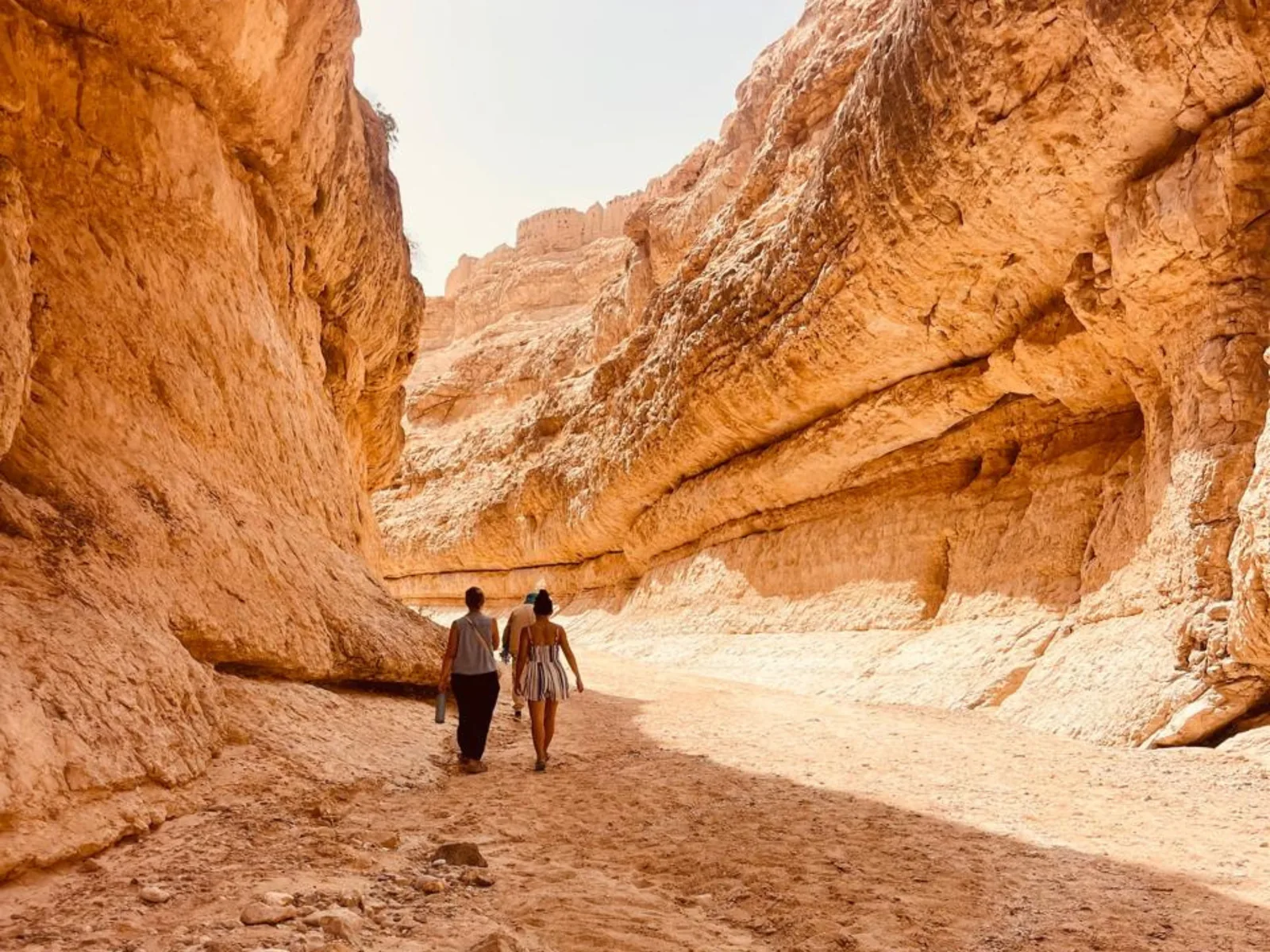
Packing for the Sahara is all about one rule: prepare for both heat and cold. The desert can be 28°C at noon and near freezing at night. Get your packing right and you'll be comfortable through every part of the day. Here's exactly what to bring.
The Golden Rule: Layers
The single most important packing principle for the Tunisian desert is layering. Days are warm to hot, but as soon as the sun drops the temperature plummets, especially at a desert camp or bivouac. Bring light clothing for the day and warm layers you can add at night.
Clothing
- Light, breathable shirts — long sleeves protect from sun and sand better than short.
- Loose trousers — comfortable for camel riding and cooler than shorts in the sun.
- A warm fleece or jacket — essential for evenings, even in spring and autumn.
- A warm hat and gloves — for winter desert nights, which get genuinely cold.
- A chèche (scarf) — the desert essential: sun shade, sand filter, and warmth in one.
- Sleepwear with warm layers — for nights at camp.
Footwear
Bring closed, comfortable shoes — trainers or light hiking shoes work well and keep sand out better than sandals. A pair of sandals or flip-flops is useful around camp and for the Ksar Ghilane hot spring.
Sun Protection
- High-SPF sunscreen — the desert sun is intense year-round.
- Sunglasses — essential against glare, especially on the Chott el Jerid salt flats.
- Lip balm with SPF — the dry air cracks lips quickly.
- A wide-brimmed hat — for shade during the day.
Desert Camp Essentials
- Headlamp or torch — camps have limited lighting at night.
- Power bank — remote camps may have little or no charging.
- Reusable water bottle — stay hydrated; refills are usually provided.
- Wet wipes & hand sanitiser — handy where water is scarce.
- A small daypack — for water, camera and layers on excursions.
- Camera with a lens cloth and blower — see our photography guide for sand protection.
Health & Documents
- Basic first-aid kit and any personal medication.
- Passport and a copy stored separately.
- Some cash in Tunisian Dinar — cards aren't accepted at remote camps. See our budget guide for costs.
- Travel insurance details.
What NOT to Bring
Leave behind heavy hard suitcases (a soft duffel is far easier in 4x4s), valuables you don't need, and excess electronics that the sand can damage. Pack light — desert trips reward minimalism, and you'll move between vehicles and camps often.
Quick Season Adjustments
For winter trips, double down on warm layers — the nights are cold. For spring and autumn, a single warm jacket is usually enough. In summer, prioritise sun protection and hydration above all. See our best time to visit guide for full seasonal detail.
Frequently Asked Questions
Light, breathable long-sleeved clothing for the day, loose trousers, a chèche scarf for sun and sand, and warm layers — a fleece or jacket — for the cold nights, plus closed comfortable shoes.
Yes. Desert nights are cold, dropping to near freezing in winter and cool even in spring and autumn. A warm jacket or fleece is essential for evenings at a desert camp.
Closed, comfortable trainers or light hiking shoes are best — they keep sand out better than sandals. Bring flip-flops too for around camp and the Ksar Ghilane hot spring.
Yes. Carry Tunisian Dinar in cash, as card payment is rarely available at remote desert camps and small villages.